
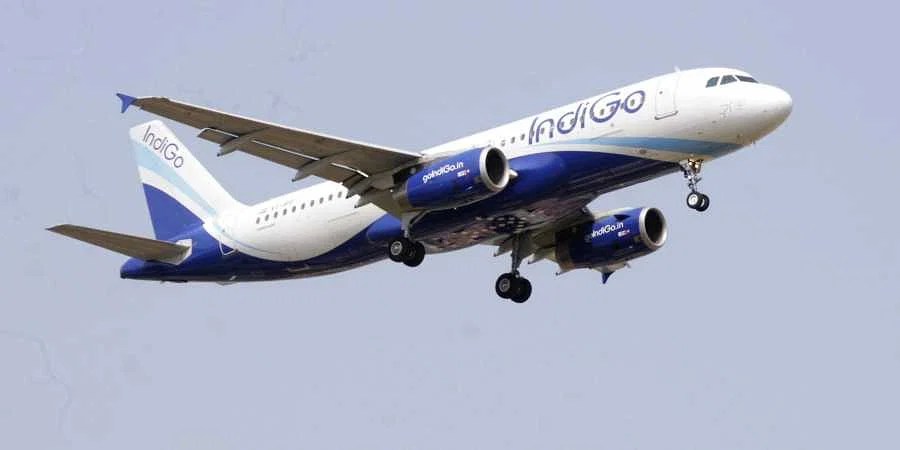
IndiGo, India’s largest airline, has boldly decided to shrink its operations starting in January. It is a well-considered strategy to stay ahead in the competitive aviation industry. IndiGo aims to offer superior quality and enhance customer satisfaction by streamlining its services. With over 40 aircraft already grounded, the airline anticipates grounding another 30-40 planes next month. This move comes as a response to challenges faced by the airline, leading to strategic changes in its flight schedules and routes.
Capacity Reduction and Fleet Adjustments
The impact of the impending grounding is evident in the numbers, with an 8% drop in capacity measured by ASK (Available Seat Kilometers) between December and Monday, post-January 18. The airline is adjusting its routes, such as replacing A320 family aircraft with ATR 72-600s and ATR 72-500s, which increases frequency but decreases overall capacity.
Key routes experiencing changes include Bengaluru-Coimbatore, Bengaluru-Mangalore, Ahmedabad-Chennai, Bengaluru-Kochi, and others. Additionally, many routes to North Goa are being cancelled, impacting connectivity to destinations like Amritsar, Bhubaneshwar, and Varanasi.
Strategic Focus on Metros
Despite the contraction, IndiGo is strategically safeguarding its presence in major metro areas, where it anticipates increased competition post-consolidation with the Air India group. Routes under RCS-UDAN (Regional Connectivity Scheme-Ude Desh Ka Aam Nagrik) remain unchanged, showcasing a calculated approach to service reduction.
Potential Opportunities for Competitors
As IndiGo scales down, other players, including the Tata group, might seize the opportunity to explore routes previously dominated by IndiGo. Air India and its subsidiary, Air India Express, are slated to add new aircraft, potentially challenging IndiGo’s stronghold in specific markets.
Uncertainties and Future Prospects
The duration of the aircraft grounding remains uncertain, and the airline’s ability to reinstate capacity depends on the arrival and deployment of dry leases. Despite potential short-term setbacks, IndiGo is already selling flights for the Summer schedule, leaving questions about the expectations for recovering grounded aircraft and possible additions to the fleet.
Financial Implications
While Pratt & Whitney may cover the costs associated with the aircraft groundings, the impact on IndiGo’s business remains crucial. The airline has been tight-lipped about the financial repercussions, citing confidentiality, leaving stakeholders and the public in suspense.
Summary
IndiGo’s operational contraction marks a significant deviation from its expansion strategy, posing challenges and opportunities for the airline and its competitors. The upcoming months will unveil whether this shift is a temporary setback or a strategic move to navigate the evolving aviation landscape in India.
Disclaimer: We do not endorse or encourage you to take trades or investment decisions based upon our posts/research, all of your trading and investment activities are your own and should be taken through consultation with reputed financial advisors. The analysis posted on this website has been created by involving multiple mediums which are present over the Internet.