
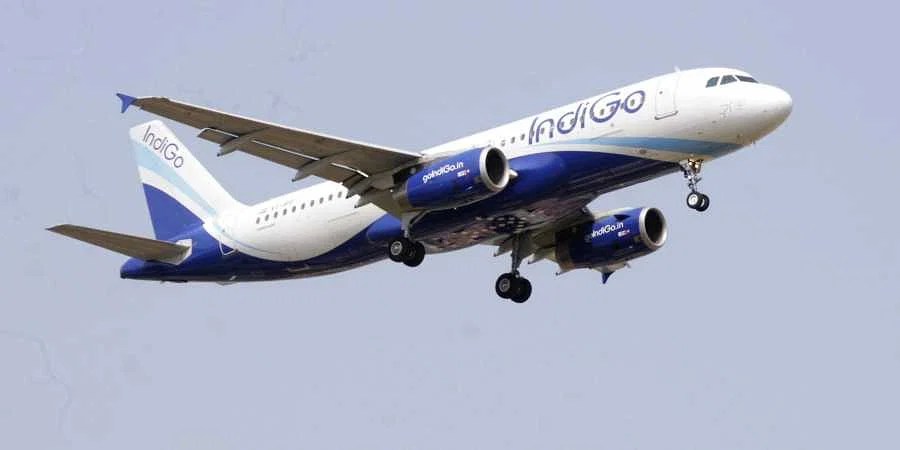
InterGlobe Aviation Ltd, the parent company of India’s largest airline, IndiGo, recently announced its financial results for the September quarter, demonstrating a significant turnaround in its performance. The airline reported a net profit of ₹188.9 crore, marking a stark contrast from the ₹1,583 crore loss it incurred during the same period in the previous year. However, while these results are promising, the company anticipates significant challenges in 2024, mainly related to engine issues that could severely impact its operational capacity.
Key Financial Highlights
1) Net Profit Turnaround – IndiGo reported a net profit of ₹188.9 crore in the September quarter, a substantial improvement from the ₹1,583 crore loss in the same period last year.
2) Revenue Growth – The company’s quarterly income increased by 20.6% compared to the previous year, reaching ₹15,503 crore. It is noteworthy, considering that the third quarter is traditionally a weak period for the travel industry.
Challenges on the Horizon
Despite the positive financial results, IndiGo’s management expressed concerns about potential capacity shortages in 2024 due to issues with Pratt & Whitney (P&W) engines, which power a significant portion of the airline’s fleet.
P&W had identified a problem with the metal used in manufacturing parts of the PW-1100G engine, which affects around 1,200 engines worldwide, including those used by IndiGo. While the exact number of affected machines in IndiGo’s fleet remains uncertain, the airline has already grounded 40 aircraft due to earlier P&W engine issues.
Chief Financial Officer Gaurav Negi stated that these engine inspections and shop visits are expected to impact IndiGo’s fleet starting from January 1, 2024, potentially leading to a higher number of grounded aircraft for a duration ranging from 250 to 300 days. To address this challenge, the airline has taken various measures, including retaining older A320ceo aircraft, extending leases, and securing additional aircraft from secondary markets.
Strategies to Mitigate Capacity Shortages
To address the impending capacity shortage, IndiGo has implemented several strategies:
1) Retaining Older Aircraft – The airline has retained older A320ceo aircraft in its fleet, which are less fuel-efficient but can help bridge the capacity gap.
2) Leasing – IndiGo has extended leases, re-inducted aircraft, and executed damp leases, where aircraft come with some of the crew.
3) Additional Aircraft – The airline is signing leases for 12 more A320ceos from the secondary market, with deliveries expected from January 2024.
Impact on Operations
The capacity shortage is expected to have several consequences:
1) Increased Costs – Lease costs for secondary or used planes have slightly increased, which could raise operational costs.
2) Negotiations with OEMs – The airline is discussing with original equipment manufacturers (OEMs) to obtain spares and potential compensation to offset the additional costs.
Analyst Perspectives
Some analysts are cautious about the airline’s prospects, citing potential challenges in maintaining profitability and increasing fares due to capacity constraints. The key performance metric, Revenue per Available Seat Kilometre (RASK), is under pressure, and the airline may need to raise yields to cover increased operational expenses.
Recent Performance
IndiGo has been adding an average of six aircraft monthly, with a total fleet strength of 334. It marks the fourth consecutive quarter of net profit, with cumulative net profit since October 2022 exceeding ₹5,600 crore. The airline carried 26.3 million passengers during the quarter, reaching a total passenger count of 52.5 million for FY24.
Financial Snapshot
IndiGo reported a total cash balance of ₹30,665.8 crore and a debt of ₹49,391.7 crore. The airline plans to invest in buying ATR aircraft in the upcoming quarter and is exploring engine procurement with cash as part of its long-term strategy.
Outlook
For the December quarter, IndiGo anticipates a 25% year-on-year increase in available seat capacity. The airline remains optimistic about its international segment and aims to increase capacity deployment share for overseas flights. It also sees opportunities in developing India as a hub for connecting traffic.
Summary
IndiGo’s strong performance in the September quarter is a welcome development, but the impending capacity shortage in 2024 due to engine issues poses a significant challenge. The airline’s ability to navigate these challenges, maintain profitability, and adapt to evolving market conditions will be closely watched by industry observers and investors.
Disclaimer: We do not endorse or encourage you to take trades or investment decisions based upon our posts/research, all of your trading and investment activities are your own and should be taken through consultation with reputed financial advisors. The analysis posted on this website has been created by involving multiple mediums which are present over the Internet.