
As rural India gears up for the festive season, there are growing concerns about the impact of an uneven monsoon, agricultural challenges, and government policies on rural incomes. The demand for the Mahatma Gandhi National Rural Employment Guarantee Scheme (MGNREGS) has surged, indicating agrarian distress. Additionally, crop losses and export restrictions have affected farm incomes. Let us explore these challenges and their potential effects on rural demand during the festive season.
The MGNREGS Surge
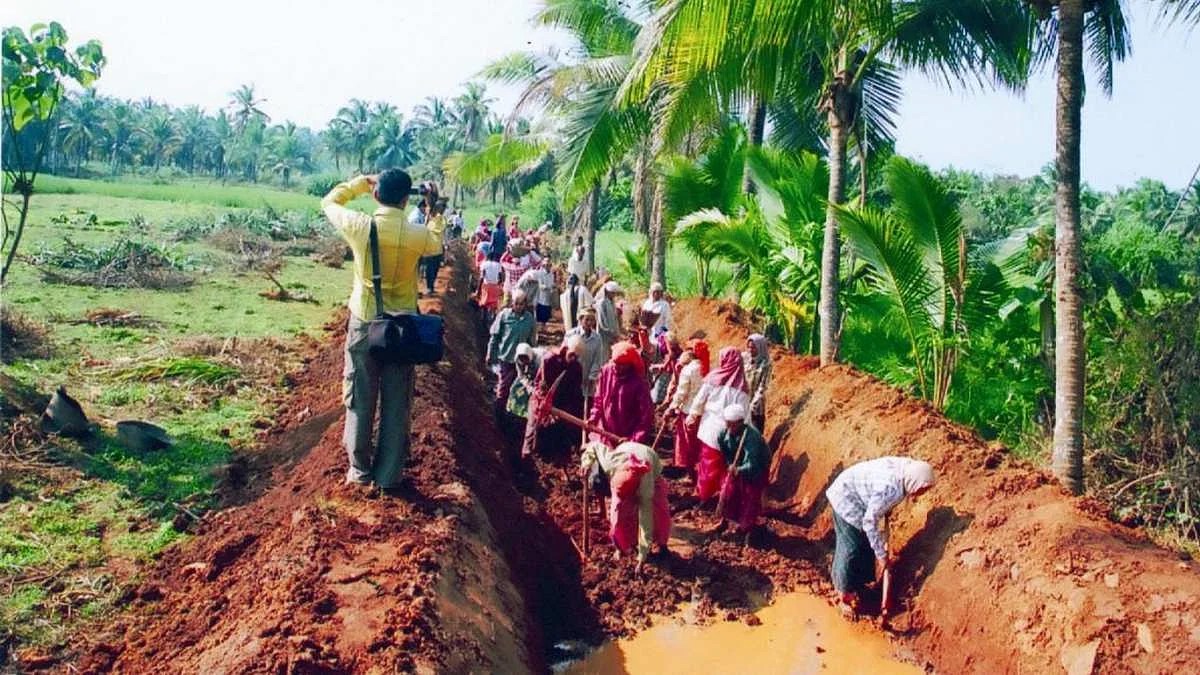
For years, the Mahatma Gandhi National Rural Employment Guarantee Scheme (MGNREGS) has served as a crucial source of support for families living in rural areas of India. It promises 100 days of work in a year to every rural family. Recent data reveals a concerning trend – between July and September, demand for MGNREGS jobs was 15% higher than the previous year (2022-23) and a whopping 29% higher than the pre-pandemic year (2019-20). This surge in demand for low-paying jobs is a clear sign of distress in rural areas as households struggle to secure regular employment.

Farm Incomes Under Pressure
While retail prices of cereals, pulses, and vegetables have risen significantly in August, this doesn’t necessarily translate to higher earnings for farmers. Crop losses due to erratic weather patterns, including damage to wheat from heatwaves and untimely rains and lower anticipated rice harvest due to deficient rains, have impacted agricultural productivity. Additionally, lower planting of pulses and drought in major growing states have led to rising pulse prices. Few fortunate farmers profit when prices surge, while many others struggle financially.
The Monsoon Conundrum
The South-West monsoon, a lifeline for rural India, recorded a 6% deficit compared to the 50-year average. However, the monsoon’s impact varied across regions, with some states facing droughts while others battled floods and extreme rains. The full extent of crop damage will only become apparent when the kharif harvest hits the market in October.
Government Policies and Rural Incomes
Government decisions to curb the export of cereals and onions, coupled with reduced import duties on edible oil and pulses to control consumer prices, have led to depressed farm gate prices. A recent report highlighted that wheat farmers lost ₹40,000 crore in 2023 due to pro-consumer policies, and rice growers may face a similar fate in October. Oilseed farmers, too, were hit by output loss, but they cannot expect higher prices as the market is flooded with cheap imported oils.
Impact on Rural Demand
The cumulative effect of these challenges on rural incomes could impact the demand for various consumer goods during the festive season. Sales of packaged consumer goods, consumer durables, small cars, and two-wheelers may be affected. Additionally, untimely rains during the kharif harvest in October can further exacerbate the situation. Consumer sentiment in rural India will also depend on the outcome of the winter crop. However, a silver lining exists in increased government spending ahead of state and general elections. Cash transfer schemes and cooking fuel subsidies can mitigate income losses and boost spending in rural areas.
Summary
As rural India faces the festive season, an uneven monsoon, agricultural challenges, and government policies present a complex economic landscape. It is essential to monitor the situation closely and consider the potential repercussions on rural demand, as this will impact the livelihoods of millions and have broader economic implications.
Disclaimer: We do not endorse or encourage you to take trades or investment decisions based upon our posts/research, all of your trading and investment activities are your own and should be taken through consultation with reputed financial advisors. The analysis posted on this website has been created by involving multiple mediums which are present over the Internet.