
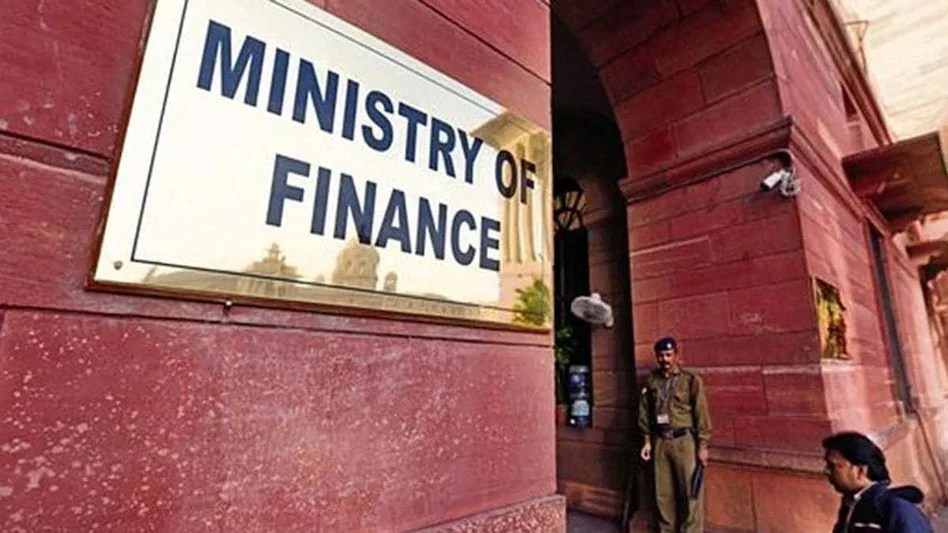
In the face of rising oil prices and the looming possibility of a stock market correction, the Indian government remains optimistic about the country’s economic growth. According to a recent finance ministry report, the government is confident that the Indian economy will expand by 6.5% in the current fiscal year despite these challenges. In this blog post, we’ll delve into the factors influencing India’s economic outlook, including the impact of oil prices, inflation, and the private sector’s resilience.
Oil Prices on the Radar
One of the primary concerns in the global economic landscape is the surge in oil prices. Crude oil recently hit a 10-month high, trading at $94.85 per barrel, reflecting a 6.1% increase from the previous year. As the world’s third-largest energy buyer, India heavily relies on imported oil to meet its energy demands. Consequently, any substantial rise in oil prices translates into higher import bills for the nation. While this situation poses a challenge, the finance ministry’s monthly economic review for August suggests that the government is still waiting to sound alarm bells.
Private Sector Resilience
Despite the uncertainties surrounding oil prices and the potential for a stock market correction, the government is banking on the private sector’s resilience. Data on advance tax payments for the second quarter indicate that the private sector remains robust. As outlined in the report, this positive assessment leads to the baseline estimate of India’s economic growth for the fiscal year 2023-24, which stands at 6.5%, based on 2011-12 prices.
Market Risks and Investment Sentiment
The report acknowledges the risks associated with a potential stock market correction and geopolitical developments in the latter half of fiscal year 2023-24. However, it asserts that these developments are unlikely to dampen the underlying economic activity. The government’s confidence is underpinned by the belief that economic momentum will persist and that private-sector investments will gather steam as the year progresses.
Inflation Dynamics
The finance ministry’s review also touched on inflation, particularly in the context of the government’s interventions. While vegetable prices had been a driving force behind retail inflation, the government’s targeted measures helped to bring down the prices of specific items. For instance, interventions included building up buffer stocks, procurement from producing centres, and subsidized distribution. As a result, consumer inflation eased to 6.83% in August, providing relief to the central bank and bond investors. Food inflation, which constitutes a significant portion of the overall consumer price basket, is also moderated.
Summary
Despite the challenges posed by rising oil prices and potential market turbulence, the Indian government remains optimistic about the country’s economic prospects. The focus on the private sector’s resilience, coupled with strategic interventions to manage inflation, forms the cornerstone of this optimism. While risks persist, India’s economic outlook for the current fiscal year maintains a positive trajectory, aiming for a growth rate of 6.5%. It will be interesting to monitor how the Indian economy navigates these challenges in the coming months and whether the government’s confidence proves justified.
Disclaimer: We do not endorse or encourage you to take trades or investment decisions based upon our posts/research, all of your trading and investment activities are your own and should be taken through consultation with reputed financial advisors. The analysis posted on this website has been created by involving multiple mediums which are present over the Internet.