
The stock market, often hailed as a beacon of economic activity and a platform for wealth creation, is an intricate landscape under countless factors. While it may seem like a seamless flow of buying and selling, gaps in the stock market warrant careful consideration. These gaps, often driven by market inefficiencies, psychological biases, and unforeseen events, can present risks and opportunities for investors. We shall explore the various stock market gaps and explore strategies to navigate them effectively.
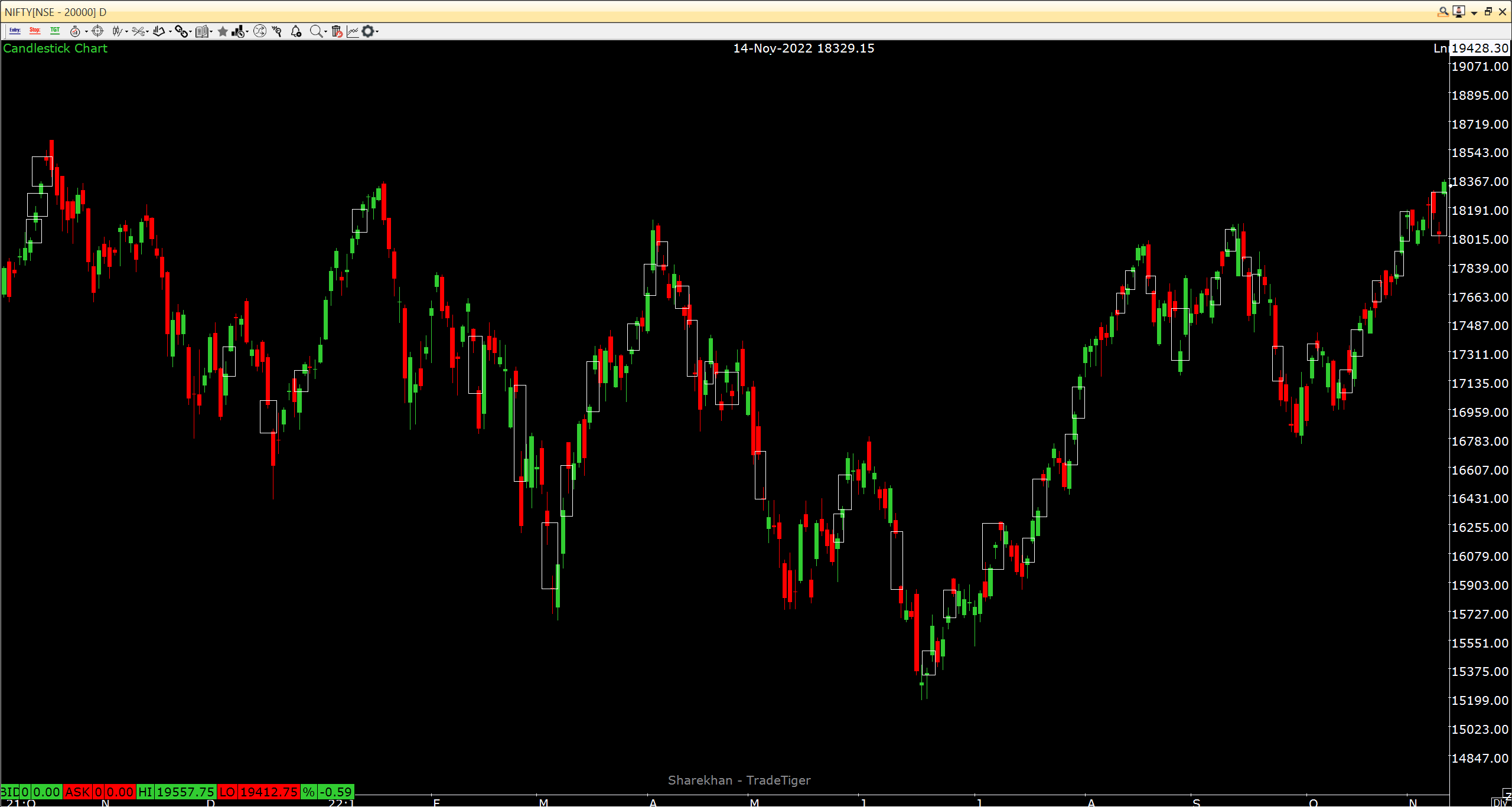
Price Gaps – The Opening Bell Surprise
Price gaps, also known as trading gaps, occur when there is a significant difference between a stock’s closing price on one day and its opening price on the following day. These gaps can be triggered by overnight news, earnings reports, geopolitical events, or changes in market sentiment. For instance, a company’s unexpected announcement of a breakthrough product could cause its stock to open significantly higher than its previous close.
Investors can employ gap trading strategies, such as fading the gap (betting that the price will return to its pre-gap level) or trading the gap (riding the momentum in the direction of the gap). However, these strategies have inherent risks and require thorough research and risk management.
Volume Gaps – Deciphering Market Sentiment
Volume gaps occur when there is a substantial difference in trading volume between two consecutive trading sessions. An increase in volume often signifies a considerable shift in market sentiment and can provide insights into future price movements.
Analyzing volume gaps alongside technical indicators and news can help investors make informed decisions. A surge in volume combined with positive information might indicate bullish momentum, while high volume amid negative news could suggest a potential reversal.
Breakaway Gaps – Riding the Trend Waves
Breakaway gaps are significant price gaps that mark the beginning of a new trend. These gaps usually occur after consolidation or sideways stock price movement.
Identifying breakaway gaps sooner can present opportunities for trend-following strategies. Investors can consider using trend analysis tools and indicators to validate the strength of the new trend before committing capital.
Exhaustion Gaps – Spotting Reversal Signals
Exhaustion gaps appear at the end of a strong trend, often revealing that the trend might be running out. Hence, it can serve as early warning signals for potential trend reversals.
Traders can combine exhaustion gaps with technical indicators like moving averages, RSI (Relative Strength Index), and MACD (Moving Average Convergence Divergence) to validate potential reversal points.
Liquidity Gaps – Market Stress and Illiquidity
When buyers or sellers are suddenly scarce in the market, liquidity gaps can occur. It results into broader bid-ask spreads and increased volatility. These gaps can be exacerbated during times of market stress or unexpected events.
Diversification and risk management are crucial during periods of heightened market stress. Investors should be cautious when entering or exiting positions, especially in illiquid stocks.
Summary
The stock market’s gaps are like hidden signposts that provide valuable insights into the underlying dynamics of market behaviour. While these gaps can create profit opportunities, they also come with significant risks. Navigating these gaps requires research, technical analysis, risk management, and a keen understanding of market psychology. Investors can turn these gaps into stepping stones toward successful trading and investment endeavours by staying informed and adaptable. Remember, in the world of stocks, understanding and managing gaps can be the bridge between uncertainty and opportunity.
Disclaimer: We do not endorse or encourage you to take trades or investment decisions based upon our posts/research, all of your trading and investment activities are your own and should be taken through consultation with reputed financial advisors. The analysis posted on this website has been created by involving multiple mediums which are present over the Internet.