
India’s quest for nuclear power reached a remarkable milestone as the Nuclear Power Corporation of India Limited (NPCIL) unveiled its first indigenously developed 700 MW nuclear power reactor at the Kakrapar Atomic Power Project (KAPP) in Gujarat. Amidst an atmosphere brimming with anticipation, the reactor commenced its commercial operations on Friday, which has been declared by a distinguished senior official.
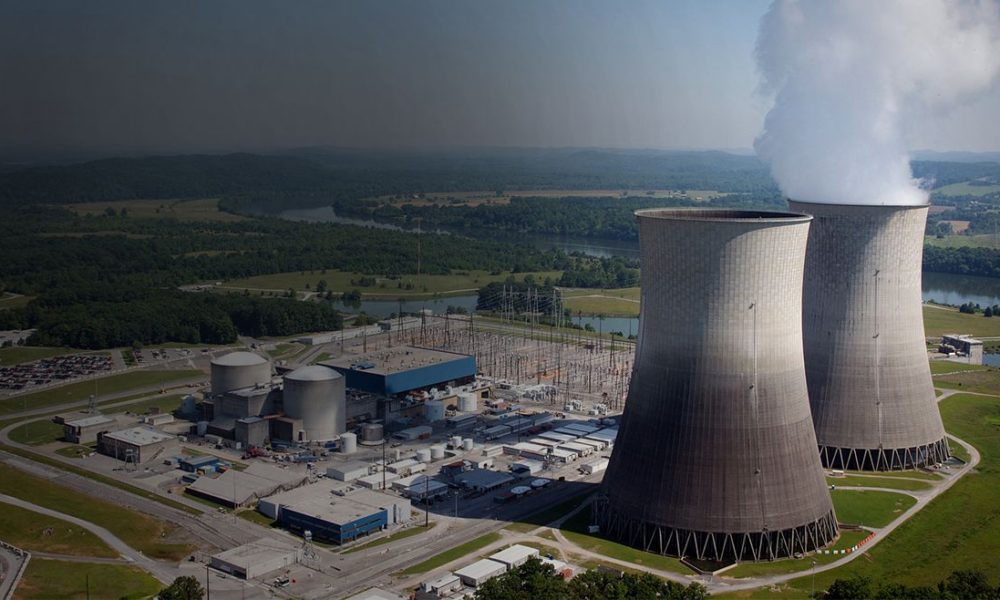
Radiating an air of pride and satisfaction, the official enthusiastically announced, “It is with great pleasure that I inform you of the momentous occasion where our maiden indigenous 700 MWe Unit, KAPP-3, transitioned into commercial operation precisely at 1000 hours on the 30th of June, 2023.” Sublime in its magnitude, this achievement is a testament to India’s burgeoning prowess in nuclear energy.
The unit is currently running at a commendable 90% of its maximum power output, an extraordinary feat in its own right. While KAPP-3 basks in the glory of its successful inauguration, the NPCIL remains steadfastly committed to its overarching objective of constructing two 700 MW pressurized heavy water reactors (PHWRs) within the idyllic setting of Kakrapar. It is worth noting that this picturesque location is already home to two 220 MW power plants, exuding a sense of harmony between tradition and progress.
Across the nation, numerous commissioning activities are currently underway at KAPP-4, another awe-inspiring project that has already achieved an impressive 96.92% progress as of the end of May, according to esteemed officials. The NPCIL’s ambitious vision extends to the construction of sixteen 700 MW PHWRs across the length and breadth of the country, a testament to their unwavering dedication to fostering India’s nuclear capabilities. The NPCIL has bestowed its invaluable financial and administrative sanction to facilitate this grand endeavour.
Moreover, India’s pursuit of nuclear energy continues at Kakrapar’s vibrant gates. The diligent efforts of the NPCIL are mirrored in the ongoing construction of 700 MW atomic power plants at Rawatbhata in Rajasthan (RAPS 7 and 8) and Gorakhpur in Haryana (GHAVP 1 and 2). The government, recognizing the significance of this transformative journey, has sanctioned the construction of ten indigenously developed PHWRs in fleet mode across four notable locations. These include Gorakhpur in Haryana, Chutka in Madhya Pradesh, Mahi Banswara in Rajasthan, and Kaiga in Karnataka, each destined to serve as an emblem of progress and self-sufficiency.
India’s strides in the nuclear energy domain reverberate with the harmony of technological advancements and national aspirations. As the nation emerges as a formidable presence globally, it is clear that the transformative power of nuclear energy will catalyze India’s economic growth and sustainable future.
Disclaimer: We do not endorse or encourage you to take trades or investment decisions based upon our posts/research, all of your trading and investment activities are your own and should be taken through consultation with reputed financial advisors. The analysis posted on this website has been created by involving multiple mediums which are present over the Internet.