
The automotive sector has undergone a momentous metamorphosis in recent times, marked by groundbreaking advancements that encompass the transition from conventional internal combustion engines (ICE) to the emergence of electric vehicles (EV) and the revolutionary concept of self-driving cars. While self-driving cars often dominate the conversation surrounding artificial intelligence (AI) in the automotive sector, AI has numerous other applications that can revolutionize the industry.
We shall explore the various ways in which AI is set to impact the auto sector, beyond autonomous vehicles:
1. Revolutionizing Manufacturing Efficiency
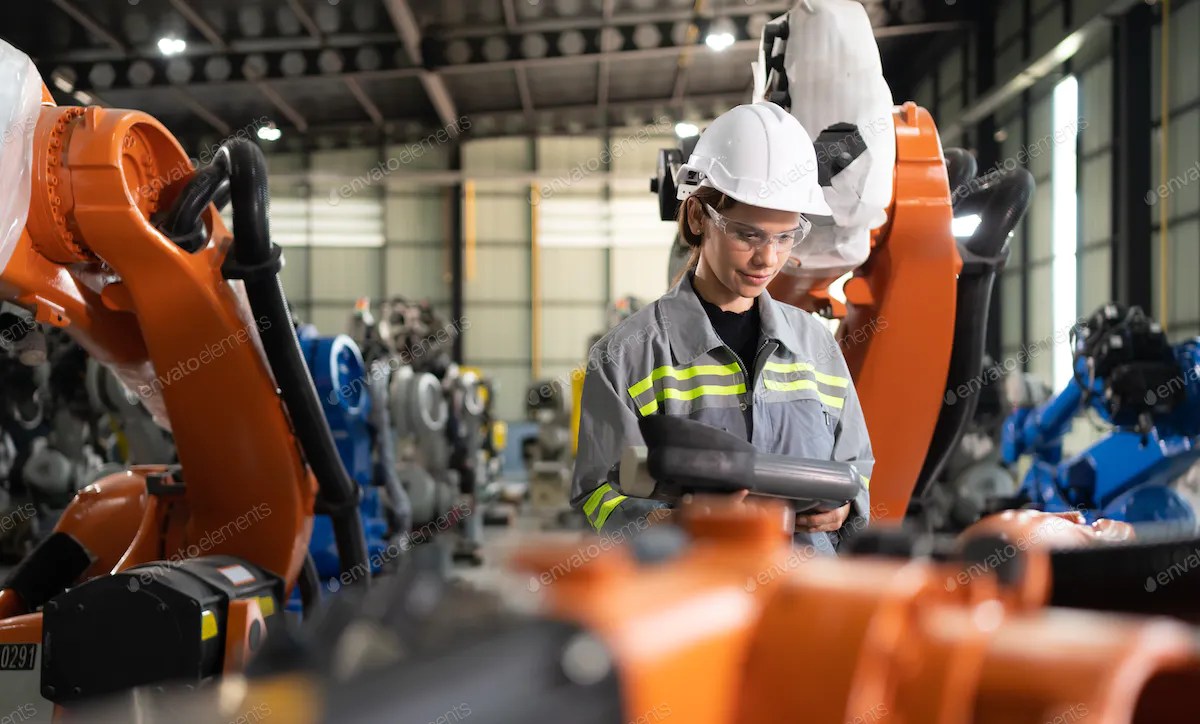
AI can optimize the manufacturing process by analysing real-time data from sensors and machines, identifying inefficiencies, and minimizing downtime. This leads to faster production cycles and higher-quality products. AI-powered robots can collaborate with human workers, assisting them in producing automobiles and learning how to manufacture parts more effectively. Additionally, automotive companies can tailor innovative features in car models based on consumer preferences, thereby increasing customer satisfaction.
2. Redefining Automotive Excellence
AI can significantly aid the design process by analysing customer feedback, identifying trends, and suggesting design changes to enhance the overall customer experience. Machine learning models can predict the appeal of new designs and generate aesthetically pleasing and innovative concepts. However, it is important to note that AI is meant to complement human designers rather than replace them. By incorporating AI as a part of the design process, automotive companies can leverage computer-assisted modelling and improve aesthetics.
3. Transforming Automotive Logistics
The automotive industry relies on complex supply chains with numerous distinct parts sourced from different regions. Integrating AI and machine learning in supply chains can create fully automated systems, optimizing inventory levels, predicting demand, and reducing transportation costs. This can result in faster delivery times, lower costs, and improved customer satisfaction.
4. Predictive Maintenance and Performance Optimization
AI, in conjunction with the Internet of Things (IoT), can enable predictive maintenance in the automotive industry. By analysing real-time vehicle data collected through IoT sensors, AI algorithms can determine when maintenance is required, helping owners take preventive measures before major issues arise. This not only reduces downtime but also minimizes the number of visits to repair shops. Furthermore, AI can contribute to reducing emissions, optimizing fuel efficiency, and enhancing overall vehicle performance.
5. Empowering Safer and Smarter Driving
AI-powered driving assistance systems are already transforming the driving experience. With advanced sensors and cameras, these systems can detect potential hazards and provide real-time alerts to drivers, making our roads safer and more efficient. Tasks such as lane-keeping, automatic parking, and adaptive cruise control are made easier with the assistance of AI. Through machine learning algorithms, these systems can learn from driver behaviour, providing a personalized driving experience.
6. Pioneering the Future of Automotive Autonomy
The concept of self-driving cars has gained considerable attention in the automotive industry. Companies like Tesla and Google are at the forefront of developing autonomous vehicles. These vehicles use sensors, cameras, and AI to navigate their surroundings and create maps, enabling them to drive without human intervention. As 5G technology advances, it will provide the necessary infrastructure for autonomous vehicles, allowing users to summon driverless cars using their mobile devices.
Hurdles and deliberation
While the integration of AI in the auto industry presents numerous opportunities, it also poses challenges that need to be addressed:
Data Privacy and Security – Connected cars generate vast amounts of sensitive data, necessitating robust measures to protect user privacy and secure the data from cyberattacks.
Ethical Concerns – AI systems can perpetuate biases and discrimination if not carefully designed and monitored. Clear accountability and liability frameworks must be established to address potential ethical issues.
Job Losses – Automation enabled by AI may lead to job losses in certain areas of the automotive industry. Retraining and upskilling programs are vital for affected workers to transition into new roles or industries.
Technical Expertise – The successful integration of AI requires specialized technical expertise in AI development, machine learning, natural language processing, computer vision, and cybersecurity.
Regulatory Challenges – As AI technology evolves, new regulations must be established to ensure the safety, reliability, and ethical use of AI systems in vehicles. Collaboration between the auto industry, regulators, and stakeholders is crucial for creating effective standards and guidelines.
Indian Auto Companies at the Forefront
Several Indian auto companies are embracing AI and leading the way in this technological revolution:
1) Tata Motors – Leveraging AI-powered technologies, Tata Motors has incorporated features such as AI-assisted regenerative braking, Harnessing the Power of Natural Language Processing (NLP) for Seamless Voice Commands, and Empowering Safety through Advanced Driver Assistance Systems (ADAS)
2) Mahindra and Mahindra – Utilizing AI for virtual testing, Mahindra and Mahindra has replaced physical testing of engines, enhancing various aspects of assembly, including quality, support, and throughput.
3) Hero MotoCorp – Hero MotoCorp has implemented cloud-based dealer management systems, remote support solutions using smart glasses, and AI-driven initiatives such as industrial IoT and predictive maintenance.
The Future of AI in the Indian Auto Industry
The Indian automotive industry, being one of the largest in the world, presents immense opportunities for AI-powered vehicles and mobility solutions. With the potential to enhance safety, efficiency, and reduce accidents, autonomous vehicles powered by AI can revolutionize India’s road transportation system. The government’s plans to develop and test autonomous vehicles on Indian roads further highlight the potential for growth and innovation in the industry.
Summary
AI’s impact on the automotive industry is transformative, with the potential to improve efficiency, safety, and customer satisfaction. While challenges such as data privacy, ethical considerations, job losses, technical expertise, and regulatory requirements need to be addressed, collaboration and investment can help harness the full potential of AI in the auto sector. With proper regulation and guidance, AI can make driving safer, more efficient, and enjoyable for everyone.
Disclaimer: We do not endorse or encourage you to take trades or investment decisions based upon our posts/research, all of your trading and investment activities are your own and should be taken through consultation with reputed financial advisors. The analysis posted on this website has been created by involving multiple mediums which are present over the Internet.