
During 1993, the management of Housing Development Finance Corp. Ltd (HDFC), a prominent mortgage lender, faced a critical decision. They were granted approval to establish a bank but were uncertain about what to name the new entity. After considering options like First City Bank and Bank of Bombay, they ultimately settled on HDFC Bank. The man chosen to lead the bank, Aditya Puri, emphasized the importance of maintaining the HDFC brand. Today, the subsidiary has surpassed its parent and is set to merge with it, marking one of India’s largest M&A deals.
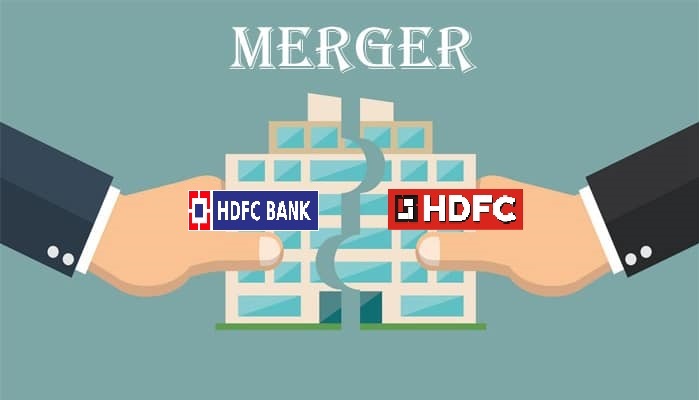
The Significance of the Merger
The merger between HDFC Bank and its parent company, HDFC Ltd, carries immense significance. As of March 31, HDFC Ltd had assets under management of ₹7.2 trillion, while HDFC Bank possessed a loan book of ₹16.1 trillion. The merged entity will extend its lead over private banking competitor ICICI Bank and come closer to state-owned giant State Bank of India. Sashidhar Jagdishan, the current CEO of HDFC Bank, will lead the merged entity, while Deepak Parekh, the chairman of HDFC Ltd, will retire.
Cross-Selling Opportunities
One of the main advantages of the merger lies in cross-selling products to the existing and new home loan customers of HDFC Ltd. With only about 2% of HDFC Ltd’s customers currently banking with HDFC Bank, there is ample room for expansion. The bank plans to offer bundled products, including savings accounts, loans for white goods, insurance products, and credit cards, to enhance customer penetration. By capitalizing on the existing mortgage customer base, HDFC Bank aims to boost its low-cost savings account deposits.
Integration Challenges and Strategies
To ensure a seamless integration, approximately 20 teams have been working behind the scenes on various aspects such as branches, technology, and websites. HDFC Bank aims to retrain employees from HDFC Ltd’s mortgage engagement centers to sell other banking products. The bank also faces the challenge of replacing HDFC Ltd’s borrowings, especially in terms of deposits. By aggressively raising deposits and issuing bonds, HDFC Bank plans to fulfill this requirement over time.
Regulatory Considerations
Regulatory issues related to the merger have been addressed, with the Reserve Bank of India granting certain compliance relaxations. The merged entity would have to meet priority sector lending norms, and HDFC Bank has three years to achieve this requirement. The HDFC group has historically had influential interactions with regulators and governments, leading to amendments in laws and regulations that benefit the organization.
Deductions
The journey of HDFC Bank, from initial hesitation about its name to its upcoming merger with HDFC Ltd, reflects the bank’s remarkable growth and success. The merger offers extensive cross-selling opportunities and positions HDFC Bank as a dominant player in the Indian banking sector. By leveraging its mortgage customer base, the bank aims to increase its market share and further strengthen its position in the industry. The merger represents a significant milestone in the history of HDFC Bank, marking the absorption of the parent by its successful subsidiary.
Disclaimer: We do not endorse or encourage you to take trades or investment decisions based upon our posts/research, all of your trading and investment activities are your own and should be taken through consultation with reputed financial advisors. The analysis posted on this website has been created by involving multiple mediums which are present over the Internet.