


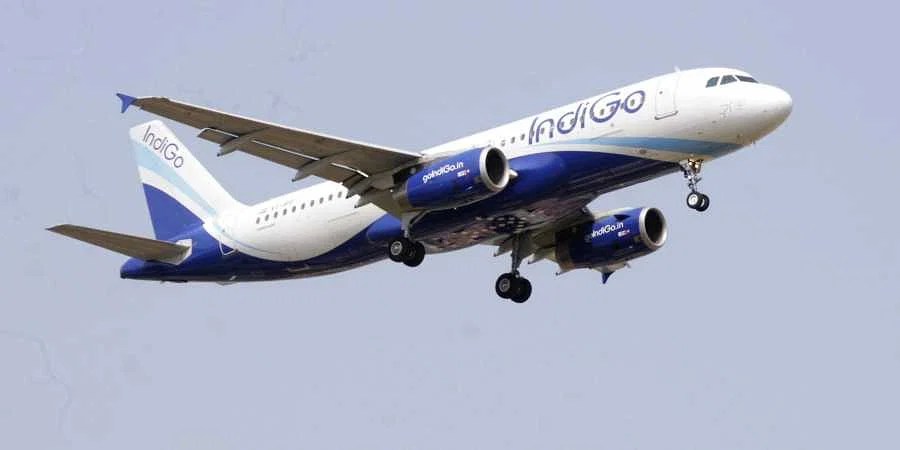
IndiGo Airlines, one of India’s prominent carriers, faces scrutiny after recent incidents of unsafe landings resulting in tail strikes. The airline has been fined by the Directorate General of Civil Aviation (DGCA) due to incidents that were linked to the company’s cost-cutting measures. Pilots have raised concerns about the airline’s emphasis on reducing fuel consumption, leading to potentially risky flap 3 landings. Additionally, pilot fatigue levels have raised questions about the airline’s operational practices and safety standards.
Unsafe Landings and DGCA’s Findings
The DGCA has fined IndiGo Airlines ₹30 lakh due to four tail strike incidents on its Airbus A321 aircraft within six months. A special audit by the regulator revealed “systemic deficiencies” in the airline’s operations, training, and engineering procedures. The DGCA found that IndiGo’s crew frequently performed flap 3 landings, contrary to the Airbus Flight Crew Operating Manual (FCOM) procedures.
Flap 3 Landings and Fuel-Saving Measures
Flap 3 landings, or soft landings, involve using only three of the four flaps on the wing, reducing drag and fuel consumption compared to flap full landings. IndiGo Airlines reportedly recommended flap 3 landings to save approximately six kilograms of fuel per flight. While Airbus doesn’t prohibit such landings, they can be challenging for runways at higher elevations, increasing the risk of tail strikes during landing.
Pilots’ Concerns
Several pilots at IndiGo expressed reservations about performing flap 3 landings due to safety risks. While the airline’s policy allows pilots to make the final decision, some pilots expressed fear of potential repercussions from management if they chose not to follow the recommendations. It has raised concerns about the impact on their career prospects within the company.
Fatigue and Safety
Pilots also highlighted issues related to mounting fatigue, with an “exponential increase” in duty timings. They emphasized investigating whether these factors contributed to the recent tail strike incidents. Some pilots reported getting as little as 15 hours of rest between flights, leading to potential safety concerns and reduced decision-making capabilities.
License Suspension
In response to one of the tail strike incidents, the DGCA has suspended the license of the pilot involved for three months and the co-pilot’s license for one month. This action underlines the seriousness of the safety lapses and the regulator’s commitment to ensuring safety standards are upheld.
Summary
IndiGo Airlines is under scrutiny and faces a significant fine due to recent incidents where the plane’s tail hit the runway during landing, posing a safety hazard. The airline’s fuel-saving measures, particularly the frequent use of flap 3 landings, have come under question, with pilots raising concerns about potential safety risks. Additionally, the issue of mounting pilot fatigue has been highlighted, urging the DGCA to investigate its impact on operational safety. As the situation unfolds, it remains crucial for IndiGo and the aviation industry to prioritize passenger safety and address systemic deficiencies to maintain high operation and flight safety standards.
Disclaimer: We do not endorse or encourage you to take trades or investment decisions based upon our posts/research, all of your trading and investment activities are your own and should be taken through consultation with reputed financial advisors. The analysis posted on this website has been created by involving multiple mediums which are present over the Internet.